Important Wildlife Removal Services: The Importance of Professional Assistance for Safe and Effective Solutions
Animal intrusions can create substantial dangers to health and property. Several homeowners misjudge the intricacies involved in safely removing animals. Attempting DIY solutions often results in ineffective outcomes and possible hazards. Professional wildlife removal services offer the expertise needed to handle these issues. Their understanding of animal behavior and legal regulations is vital. As the necessity for humane and safe removal becomes clear, the next step is understanding how to utilize these services effectively.
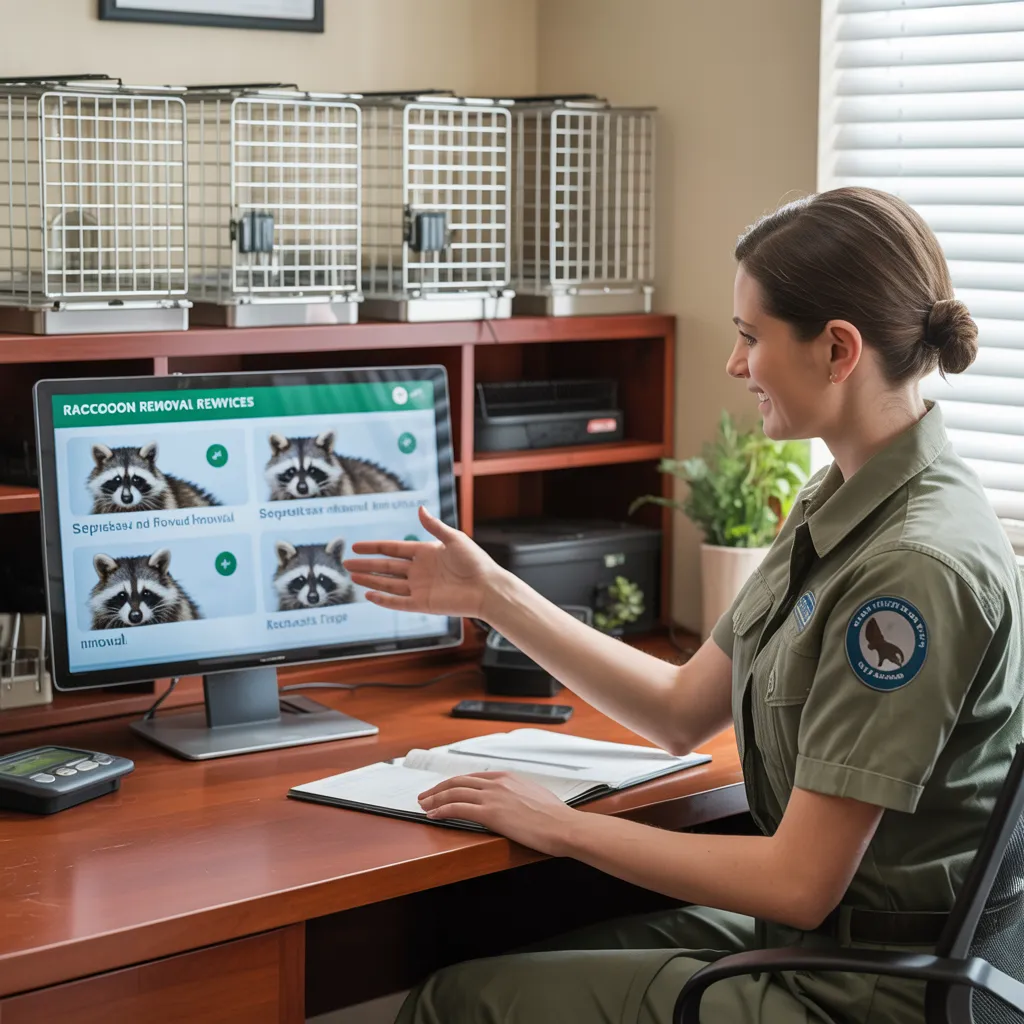
Comprehending the Perils of Amateur Wildlife Removal
Even though numerous homeowners may consider handling wildlife themselves to cut down on time and money, the risks related to DIY wildlife removal can be serious. Making an effort to handle animals without sufficient knowledge can bring about serious injuries, as several species could bite or scratch when under threat. Additionally, homeowners might unknowingly expose themselves to animal-transmitted diseases, which can be transmitted from wildlife to humans.
Inappropriate removal methods can also worsen the condition, as animals may become trapped in inaccessible spaces, leading to more harm than good. Moreover, local laws and regulations may restrict the handling of certain wildlife species, resulting in potential legal consequences.
Novice handlers may misidentify species, leading to improper or detrimental removal methods. The possibility of property damage increases when wildlife is inadequately controlled, causing costly repairs. Therefore, understanding these risks demonstrates the necessity of seeking professional assistance for secure and successful wildlife removal.
Why Professional Expertise Matters
In dealing with wildlife removal, the expertise of professionals is critical to guarantee both safety and effectiveness. Trained specialists possess a complete understanding of numerous animal behaviors, habitats, and the potential risks associated with wildlife encounters. Their knowledge allows them to assess situations accurately and implement appropriate strategies adapted to each unique scenario.
In addition, specialists are prepared with the proper tools and approaches to handle wildlife with safety in mind, decreasing the risk of injury to both humans and animals. They are conversant with local regulations concerning wildlife management, ensuring compliance and ethical practices throughout the removal process. Moreover, their experience helps in preventing future infestations by identifying entry points and recommending preventive measures.
Secure and Compassionate Animal Removal Methods
Within the field of wildlife removal, safe and ethical practices are vital. This includes the use of compassionate containment methods, habitat restoration procedures, and proven relocation and release approaches. Such approaches not only focus on the safety of the animals but also promote the ecological balance in their natural ecosystems.
Responsible Animal Capture Approaches
Although wildlife removal often evokes worries about animal welfare, ethical trapping methods deliver humane solutions for managing human-animal conflicts. These methods prioritize the welfare of the animals involved while effectively solving issues. Professionals employ traps designed to minimize stress and injury, allowing captured animals to remain unharmed. Live traps, for instance, enable safe relocation, ensuring that animals are transported to suitable habitats where they can thrive. Additionally, ethical trapping involves regular monitoring to prevent prolonged confinement. This approach not only protects animal welfare but also fosters coexistence between humans and wildlife. By implementing ethical trapping techniques, wildlife removal services can effectively resolve conflicts while upholding a commitment to compassion and responsibility towards all living creatures.
Practices for Habitat Restoration
Habitat restoration techniques serve a crucial function in ethical and secure animal exclusion practices by dealing with the core factors of human-wildlife confrontations. By enriching natural habitats, these methods create environments that are less favorable for unwanted animal intrusions. This can encompass restoring native vegetation, enhancing water sources, and eliminating invasive species that compromise local ecosystems. Adopting proper landscaping techniques can also minimize food sources that draw wildlife into residential areas. Moreover, habitat restoration supports biodiversity, enabling native species to thrive while discouraging problematic wildlife. Professional wildlife removal services often implement these methods into their operations, guaranteeing a long-term solution that facilitates coexistence between humans and animals while reducing future conflicts.
Relocation and Release Techniques
Relocation and release techniques serve as essential components of humane wildlife removal services, offering a compassionate alternative to extermination. These approaches focus on catching animals safely and transporting them to appropriate habitats distant from human dwellings. Professionals utilize specialized traps designed to reduce stress and injury, ensuring the animals remain unharmed during the process. After capture, thorough assessments are conducted to determine the optimal new environment for the species involved, taking into account their specific needs and natural behavior. This approach not only preserves the wildlife but also aids in maintaining ecological balance. By implementing relocation and release strategies, wildlife removal services contribute to a harmonious coexistence between humans and animals, fostering ethical responsibility toward nature.
Preventing Upcoming Wildlife Encroachments
How can homeowners effectively safeguard their properties against future wildlife intrusions? One effective strategy involves securing the home's exterior. This entails blocking gaps, crevices, and openings, specifically around window frames, doorways, and foundation perimeters. Mounting barriers on vents and chimney openings further inhibits wildlife from intruding.
In addition, homeowners should upkeep their yards by cutting back trees and shrubs, which can provide easy access to roofs and attics. Maintaining food sources, such as garbage bins and pet food, securely stored is also important.
Using native plants in landscaping can help deter specific wildlife from coming near the property. Additionally, property owners should consider installing fencing, making sure it extends several inches below ground level to stop animals from digging underneath. Consistent property checks can help locate potential access points before they develop into concerns. By adopting these preventative actions, homeowners can significantly reduce the risk of wildlife intrusions and sustain a protected living space.
Legal Aspects and Wildlife Protection Regulations
Grasping the legal framework governing wildlife protection is vital for homeowners who are taking steps to protect their properties. Multiple laws and regulations dictate the treatment of wildlife, often designating species as protected or non-protected. Homeowners must learn about local and federal laws to avoid accidental violations when handling wildlife intrusions.
For instance, several states ban the trapping or killing of certain animals without proper permits. Additionally, some species may only be relocated under specific conditions, demanding professional intervention. Breaking these legal regulations can lead to hefty fines and legal consequences.
Homeowners are encouraged to consult with certified animal control experts who hold the necessary knowledge of wildlife protection laws. These professionals not only provide compliance with laws but also utilize humane methods for wildlife removal, encouraging ethical treatment of animals while effectively managing the issues at hand. This understanding ultimately protects both the homeowner and the wildlife involved.
Full Review and Analysis Options
Comprehensive evaluation and assessment services are essential for successful wildlife management. These services involve a comprehensive property evaluation to discover signs of wildlife activity, as well as analyzing any damage and prospective risks associated with infestations. By executing an thorough analysis, experts can formulate targeted strategies for removal and prevention.
Complete Property Appraisal
A thorough property inspection serves as the cornerstone of successful wildlife removal services. This comprehensive assessment involves evaluating both the interior and exterior of a property to identify likely entry points and conducive conditions for wildlife habitation. Qualified professionals carefully examine areas such as attics, basements, and crawl spaces, along with the surrounding landscape. They assess structural integrity and analyze any signs of damage caused by wildlife activity. This initial assessment not only helps in identifying the type of wildlife present but also refer to resource informs the development of a tailored removal strategy. By addressing particular vulnerabilities, the assessment ensures a proactive approach, reducing the likelihood of future infestations and promoting sustainable solutions for homeowners.
Identifying Wildlife Activity
Once finishing a detailed property examination, the next step involves identifying wildlife activity through detailed inspection and assessment services. Experts use multiple techniques to detect evidence of wildlife presence, including detecting droppings, fur, and footprints. They assess entry points, such as gaps in walls or roofs, and assess areas that may serve as nesting sites. Inspectors also listen for abnormal sounds, indicating the presence of animals. By utilizing specialized tools, they can monitor for movement and activity patterns. This comprehensive approach not only aids in pinpointing wildlife but also assists in understanding the type of species involved. Correct identification is essential for developing efficient removal strategies and ensuring the safety and integrity of the property.
Examining Property Damage and Risk Factors
Because wildlife activity can cause significant property damage and health concerns, it is vital to carry out a thorough assessment of affected spaces. Professional wildlife removal services employ trained inspectors who assess potential entry points, nesting sites, and the degree of damage caused by invasive species. These assessments include examining insulation, wiring, and structural integrity, as well as identifying hazardous droppings or urine that may pose health risks. By systematically documenting findings, professionals can provide property owners with a detailed understanding of risks. This comprehensive analysis not only enables effective removal strategies but also assists in preventing future infestations. In the end, professional assessments are crucial for ensuring safety and protecting the integrity of residential and commercial properties.
Picking the Ideal Wildlife Removal Service for Your Situation
What steps should one take to ensure selecting the correct wildlife removal service for their unique circumstances? To begin with, it is vital to research local companies and check their credentials. A reputable service should hold proper licenses, insurance, and certifications, providing compliance with local regulations. Customer reviews and testimonials can provide valuable details into a company's reputation and effectiveness.
Next, analyze the approaches utilized by possible services. Green and humane removal approaches are ever more important to several homeowners. A quality service should focus on safety for both the wildlife and the environment.
Furthermore, inquire about guarantees and follow-up services. A trustworthy company will give warranties related to the success of their treatments and supply aftercare support if necessary.
In conclusion, acquiring multiple quotes can help determine the market rate, ensuring a fair price without sacrificing quality. By following these steps, homeowners can make an informed decision tailored to their wildlife removal needs.
Frequently Asked Questions
Which Wildlife Species Are Most Often Removed by Professionals?
Professionals commonly remove several wildlife, including raccoons, squirrels, bats, snakes, opossums, and birds. These animals regularly invade homes or properties, creating potential health risks and property damage, requiring expert intervention for safe removal.
What Are the Average Costs for Wildlife Removal?
Wildlife removal pricing usually ranges from $100 to $1,500, contingent upon factors such as the variety of animal, degree of the infestation, and necessary repairs. Costs can also differ by geographic location and service provider.
Are There Any Guarantees Offered by Wildlife Removal Services?
Numerous wildlife removal specialists provide guarantees, commonly encompassing the effectiveness of their procedures and follow-up visits. Still, precise terms and conditions fluctuate by contractor, so clients should investigate information before employing a specialist.
How Long Does the Wildlife Removal Process Usually Take?
Wildlife removal procedures usually take from several hours up to several days, depending on the severity of the infestation and the difficulty of the situation. Every situation is different, impacting the overall timeline for resolution.
Can Wildlife Removal Services Also Repair Damage Created by Animals?
Indeed, wildlife removal services typically encompass fixing of damage created by animals. Professionals assess the situation, address structural issues, and ensure that entry points are sealed to deter future infestations, providing thorough solutions for property protection.